

Description
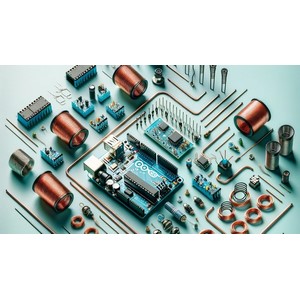
Arduino Wireless Power Transmission Course. This course explores how to wirelessly transfer electrical energy using the Arduino microcontroller and design contactless power transmission circuits. This course introduces the audience to the fascinating world of electromagnetic power transmission and teaches how to design, build, and optimize wireless power circuits with microcontroller integration. In this hands-on course, learners will implement the core concepts of contactless power transmission, from inductors and voltage regulators to actuation and data display using Arduino-based systems, in real-world prototypes. This course is ideal for makers, electronics enthusiasts, and students who want to go beyond traditional circuits and learn modern contactless charging technologies. Through step-by-step tutorials and hands-on projects, participants learn how to combine Arduino programming with basic electronics principles to build safe, efficient, and scalable wireless power transfer modules. The course covers a wide range of topics, including the physical principles of inductive coupling and resonance, using sensors to monitor voltage and current, troubleshooting winding alignment and power loss, and observing safety protocols in real circuits. It also details how to build low-voltage wireless chargers for mobile phones and smart gadgets, allowing students to take their hardware projects to the next level.
What you will learn
- Understand the physical principles of wireless power transfer: Learn fundamental concepts such as inductive coupling and resonance.
- Design and testing of wireless power circuits: Building and testing basic circuits for contactless energy transfer.
- Arduino integration: Use a microcontroller for switching, performance monitoring, and system control.
- Monitoring electrical parameters: Using sensors to measure voltage, current, and distance in live circuits.
- Building a Wireless Charger Project: Implementing a real wireless charger for mobile phones or low-voltage devices.
- Troubleshooting and technical troubleshooting: Identify and resolve challenges related to coil misalignment, power loss, and magnetic interference.
- Safety compliance: Applying safety standards and design considerations to practical applications.
- Build custom projects: Ability to build your own wireless power transfer project with Arduino.
This course is suitable for people who:
- Arduino enthusiasts and geeks: People who want to upgrade their microcontroller projects.
- Electronics enthusiasts and geeks: Students and professionals looking to learn advanced applications of electronics.
- Wireless power technology nerds: Those who wish to master wireless power transmission in an expert manner.
- DIY (Do It Yourself) Project Builders: People who want to build smart chargers and automation systems.
- Hardware engineers: Specialists who research new ideas and technologies for non-contact energy.
- All wireless electricity enthusiasts: Anyone who wants to learn how wireless electrical energy works and is transmitted.
Arduino Wireless Power Transmission Course Specifications
- Publisher: Udemy
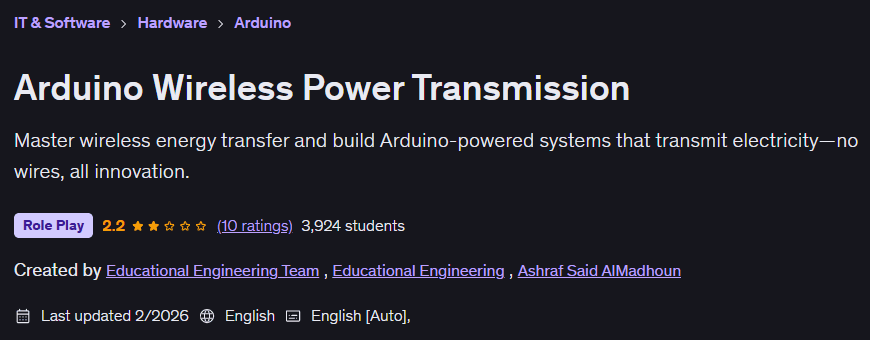
- Lecturer: Educational Engineering Team , Ashraf Said AlMadhoun , Educational Engineering
- Training level: Beginner to advanced
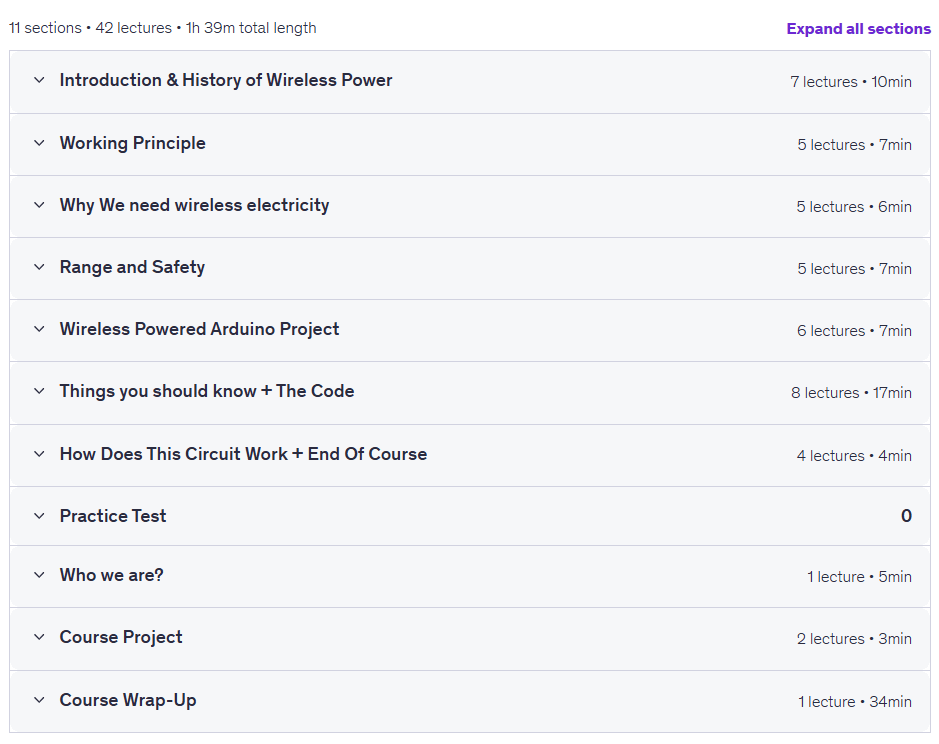
- Training duration: 1 hour and 39 minutes
- Number of lessons: 42
Course headings
Arduino Wireless Power Transmission Course Prerequisites
- Basic experience in Electronics
- Basic experience in Arduino
- A will to apply, not just watch
Course images
Sample course video
Installation Guide
After Extract, view with your favorite player.
Subtitles: English
Quality: 720p
Download link
Rapidgator link
File(s) password: www.downloadly.ir
File size
990 MB