

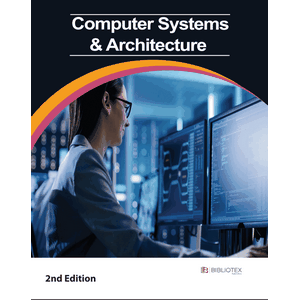
Description
Computer Systems & Architecture. A computer is an electronic device that makes it very easy to do anything. In computer systems, the central processing unit (CPU) executes each instruction sent through a set of specific steps. This chain of steps is called the “Machine Cycle,” which is repeated continuously for each instruction. A complete machine cycle includes various steps such as fetching an instruction from memory, decoding and interpreting that instruction, transferring the required data, and finally executing the instruction. A detailed understanding of these fundamental processes helps to understand how processors work internally and how data flows in digital systems, and forms the basis for the functioning of all software.
Computer architecture is defined as a set of technical specifications that show in detail how hardware and software technology standards interact to form an integrated computer system or platform. In simple terms, computer architecture refers to how a system structure and the technologies that are compatible with it are designed. Like other uses and meanings of the word architecture in various sciences, computer architecture is also likened to the art of accurately identifying user, system, and technology needs and then creating a logical and standardized design based on those needs. Modern computer technologies require a deep and simultaneous understanding of both hardware and software, because the constructive interaction between these two parts provides a comprehensive and essential framework for a complete mastery of the fundamentals of computer science for enthusiasts and professionals.
Book Features
- A comprehensive review of the performance of electronic devices and the key role of the central processor in simplifying computational processes.
- Step-by-step explanation of the machine cycle stages including instruction fetching, decoding, data transfer, and final execution of instructions.
- A detailed explanation of technology standards and how hardware and software interact to create a coherent computing platform.
- Analysis of the principles of logical design of computer systems based on the real needs of users and compatibility with current technologies.
- Providing a practical framework for simultaneously understanding hardware and software concepts to master the fundamentals of modern computing technologies.
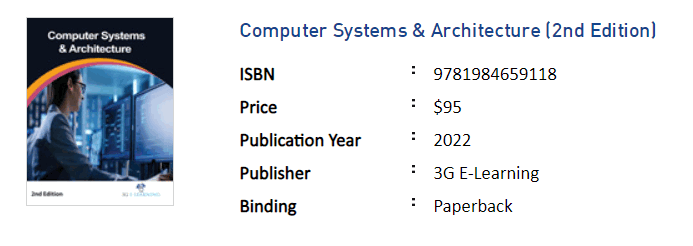
Book specifications
- Publisher: BIBLIOTEX
- Number of pages: 456
- Number of chapters: 10
- Format: PDF
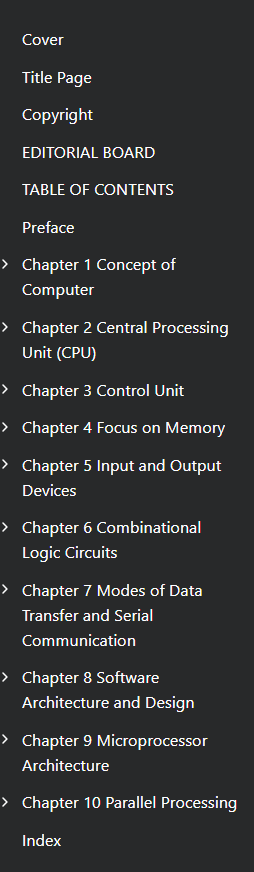
Headlines
Pictures
User Guide
Extract the file and run it with the appropriate software.
Download link
File(s) password: www.downloadly.ir
File size
42.2 MB