

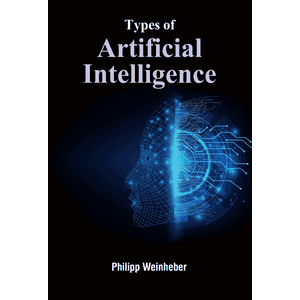
Description
Types of Artificial Intelligence. Artificial intelligence (AI) refers to the process of simulating human intelligence in machines that are programmed to think and act like humans. This advanced technology attempts to recreate human cognitive capabilities in the form of computational systems, allowing machines to learn from their experiences, adapt to new situations, and perform tasks that traditionally require human intelligence. Types of Artificial Intelligence takes a comprehensive and structured approach to explain the fundamental concepts and various layers of this new knowledge to readers, providing a clear picture of how intelligent systems function and evolve.
This valuable work focuses specifically on the main categories and evolutionary stages of artificial intelligence, examining its four key types in detail. The author first looks at “reactive machines,” which are considered the simplest type of artificial intelligence and operate solely on momentary data and do not have the ability to store memories or use past experiences. Next, the concept of “limited memory” is explained, which refers to systems that can exploit past data to make future decisions. The final sections of the book are dedicated to more advanced and futuristic concepts such as “theory of mind” and “self-awareness,” which deal with the ability of machines to understand the emotions, beliefs, and intentions of others and ultimately achieve a level of internal awareness and understanding of their own existence. Reading this book will help enthusiasts and researchers to better understand the boundaries between current technologies and future prospects for artificial intelligence.
Book Features
- Providing a precise, clear, and understandable definition of the concept of artificial intelligence and how to simulate human thinking and behavior in machines
- A comprehensive and categorized review of the four main types of artificial intelligence, including reactive machines, limited memory, theory of mind, and self-awareness.
- Explaining the structural and functional differences between intelligent systems based on real-time reactions and systems capable of learning from the past
- Analysis of advanced cognitive concepts in machines and how technology is moving towards understanding human emotions and achieving self-awareness
- Fluent, educational writing that makes complex computer science and artificial intelligence concepts easy to understand for a wide range of readers.
Book specifications
- Publisher: BIBLIOTEX
- Lecturer/Author: Philipp Weinheber
- Number of pages: 195
- Number of chapters: 6
- Format: PDF
Headlines
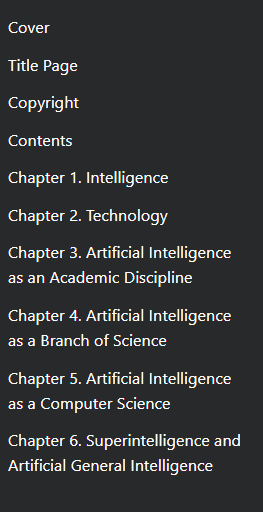
User Guide
Extract the file and run it with the appropriate software.
Download link
File(s) password: www.downloadly.ir
File size
1.6 MB